

So you're interested in amateur radio?! But HOW do you get started?
You've come to the right place, a radio society that's been established longer than even the BBC!
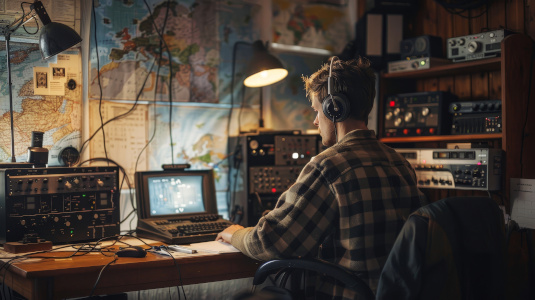
We meet on-air, on-line and in person, to share our knowledge and learn further from each other through training and experimentation.
Some are satisfied just listening to the world, these are called Short Wave Listener (SWLs), but many go on to obtain an amateur radio licence (that's an official government document to prove your competence) and use their licence to transmit. An amateur radio licence is like a car registration, it's a unique code and it's your evidence of your increasing abilities and privileges in radio communications. Here in the UK we have three levels of licence which reflect your progression within the hobby.
Even our radio society has a licence: G8SRS (Golf 8 Sierra Romeo Sierra). We use it when transmitting so people know who we are. You'll hear many, many "call signs" being used. Even the International Space Station has a number of callsigns for the astronauts to use!
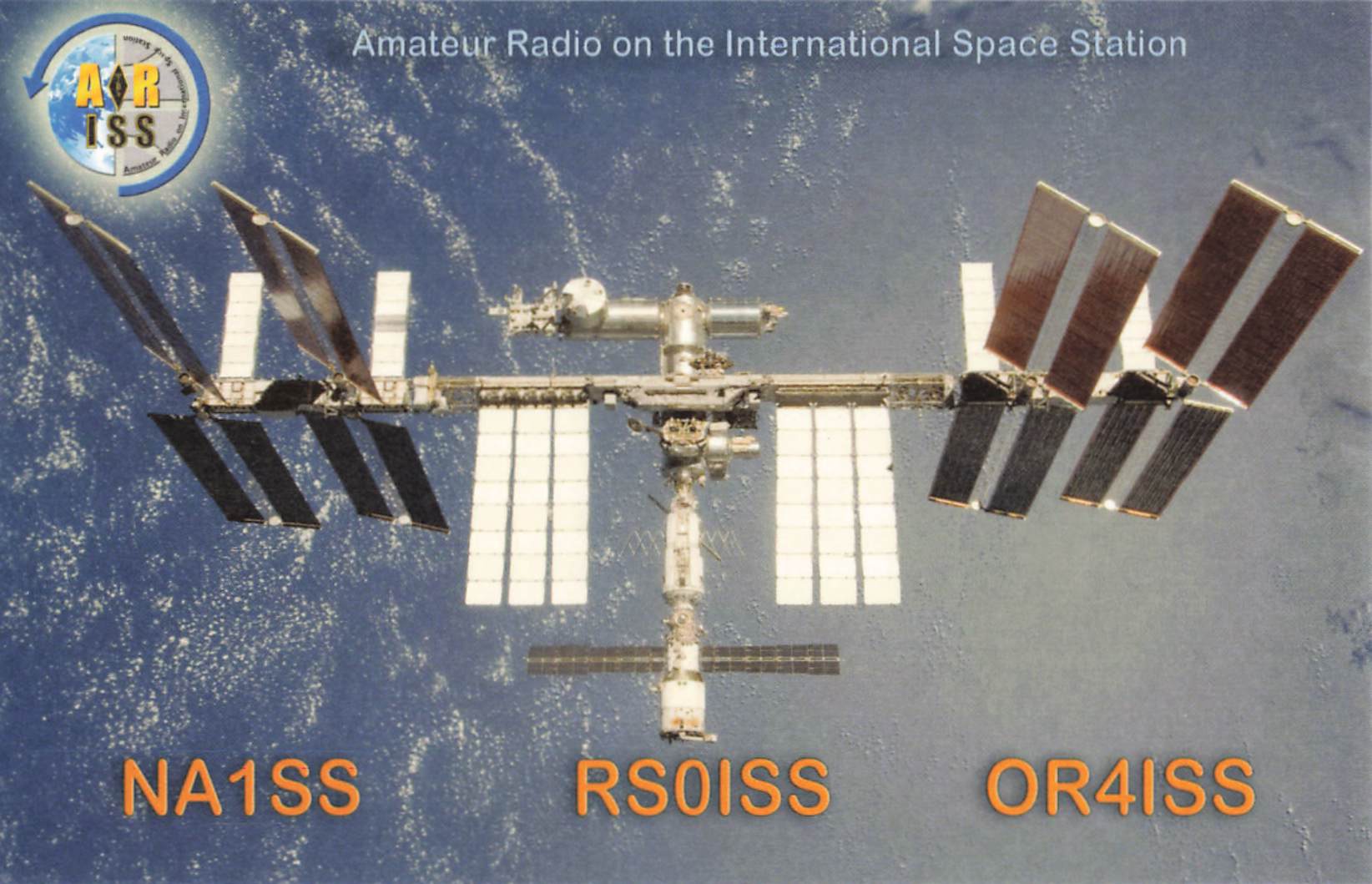
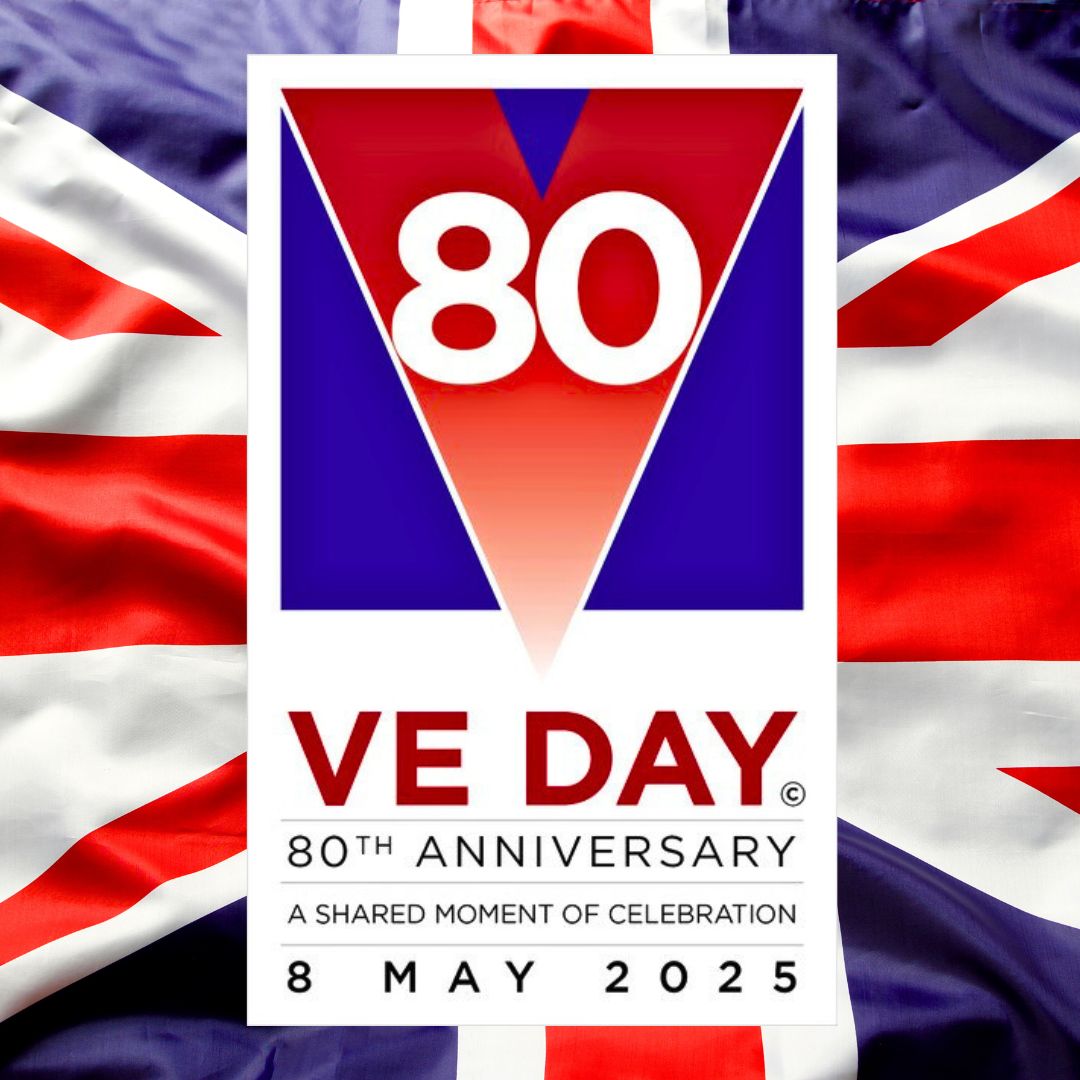
Listen out for special event stations such as NA1SS from the space station, GB3RS the Radio Society of Great Britain's station at the former wartime spy decoding station Bletchley Park, and the upcoming GB75PEACE, GB1945PE, and GB1945PJ this summer to mark the anniversary of VE Day.
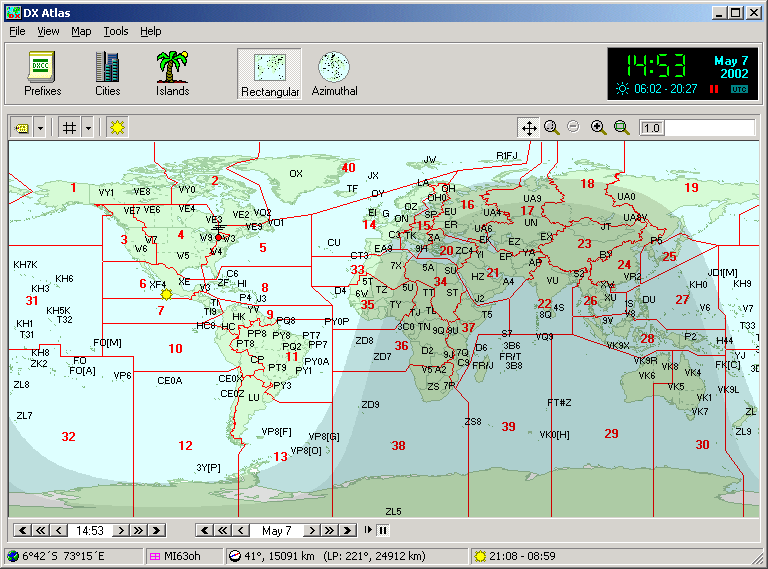
Each country and territory around the would has it's own unique type of callsign and often radio operators will listen out for and try to "work" (make contact with) that operator. The more distant contacts are referred to as "DX" (more on abbreviations below). People may refer to "chasing DX" as in trying to bag a contact with a distant station. For instance here in the UK a contact with Australia (callsign VE1xxx) would be considered a very good "DX" contact!
You'll hear lots of abbreviations used. Our "language" often originates from the days of using morse code on between ships. Rather than spell out full words, abbreviations and codes were used.
For instance: DX for Distance, OM old man (friendly greeting!), YL female operator, WX weather. Etc. Also used are "Q" codes, QSO is a contact, QRM is electrical noise, QSL is acknowledgement of a contact, QRP is low power.
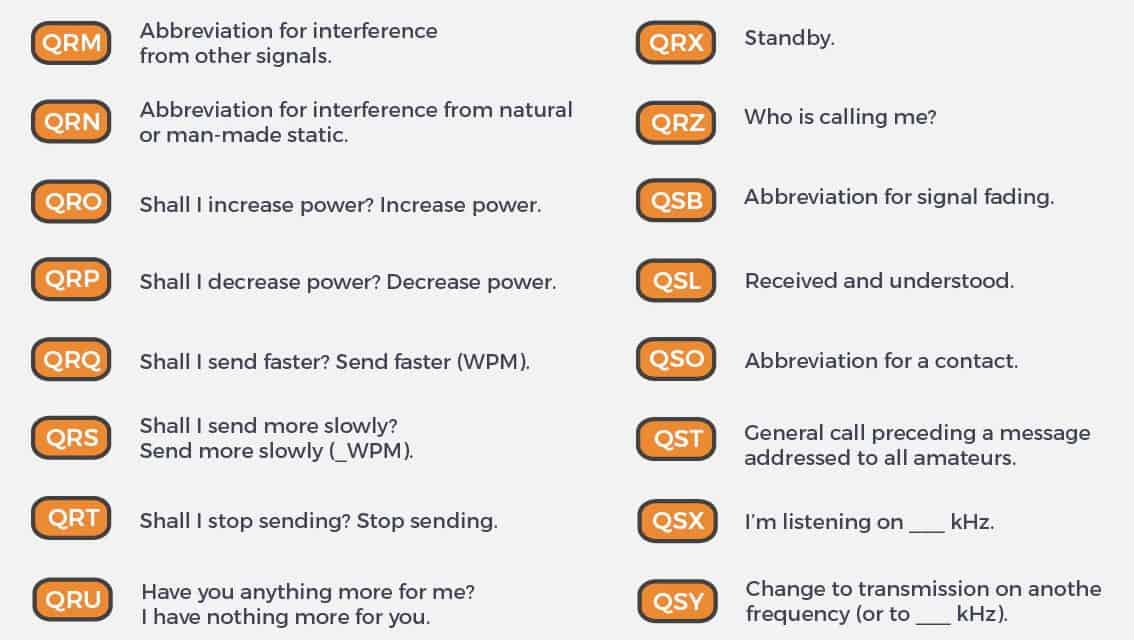
We don't expect you to remember these! There won't be a test at the end of the page ;) There are cheat-sheets we can use.
But to obtain a licence there is a test overseen by OfCom the government's regulatory department for communications. They are not hard tests like A-levels but they are formal and grant a privilege at the end: the licence, callsign and right to transmit!
First though, what do these communications sound like and how can you get started?
Click here for more information about getting started in amateur radio...
Click here for information on joining SRS...
Frequently Asked Questions
Is it an expensive hobby? - Not necessarily, you can start off with a simple handheld radio for about £25, beyond that the sky's the limit.
Do you need to learn morse code? - Only if you want to. It's not longer a requirement for the licence.
Do you need a licence? - Yes, but to start with you can operate under the supervision of someone who already holds a licence. Come down to the society and have a try!
Do you have to attend classes? - Only if you want to, these are online and at the society. But it's perfectly possible to prepare from a book at home.
Do you need to take an exam? - Yes, but it's taken at home online, not in a school or college.
Is the exam difficult? - There are three levels: Foundation, Intermediate and Advanced, each grants additional privileges. You start with the Foundation exam which is quick simple multiple choice questions. Later you can prepare for the Intermediate and Advanced if you wish and each has increasingly technical questions (but the manual and courses prepare you fully!)
Social Links
Consider making a donation to club funds:
Click here to donate to the society via PayPal
Why not visit our friends:



 -
-